
Hybrid and Online Learning Options for Private School Students in 2025
Families exploring private elementary, middle, and high schools increasingly expect flexible learning environments that provide academic rigor, individualized pacing, and preparation for college-level expectations. Since 2020, private schools have continued refining hybrid and online options, and by 2025 these models are no longer temporary solutions. They have evolved into strategic tools that schools use to expand course offerings, support diverse learning needs, and enhance college preparation.
This updated guide explains how hybrid and online learning models operate in private school settings, why they appeal to families, and how to evaluate whether such options align with a student’s academic goals. The focus is on K–12 private education and pre-college planning, consistent with the mission of PrivateSchoolReview.com.
What Hybrid and Online Learning Mean in Private Schools
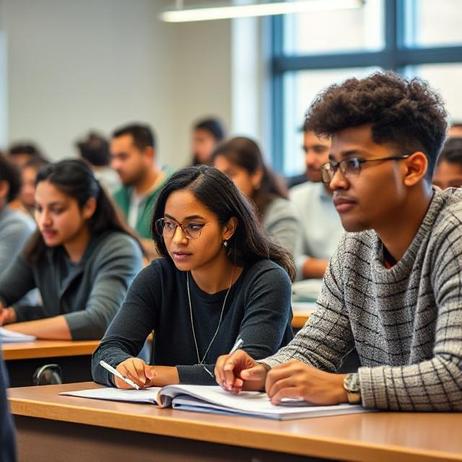
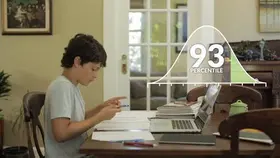
Hybrid learning combines in-person instruction with structured online components. Students attend classes on campus for part of the week or for specific subjects, then complete assignments, discussions, or assessments online. Online learning, by contrast, allows students to complete coursework fully or primarily through a digital platform supported by live or recorded instruction.
In 2025, private schools use these models to:
Broaden elective choices or advanced classes
Provide schedule flexibility for student-athletes, performers, or students managing medical needs
Offer accelerated or remedial pacing when appropriate