Programs for Exceptional Learners

Explore tailored educational programs designed to nurture unique student potential. From specialized support for learners with challenges to advanced opportunities for high achievers, discover how private schools excel in addressing diverse needs and fostering individual growth.

View the most popular articles in Programs for Exceptional Learners:

How Private Schools Are Adapting to Students with AI-Assisted Learning Habits

Updated
|
How Private Schools Are Adapting to Students with AI-Assisted Learning Habits
Learn how private schools are responding to AI-assisted learning through updated policies, classroom innovation, and responsible technology integration.

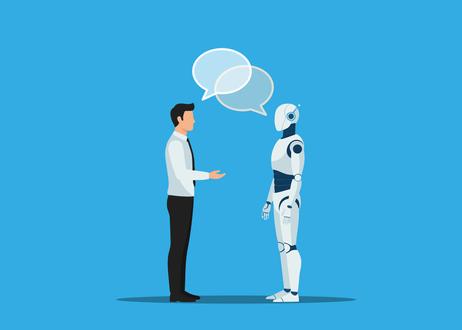
Artificial intelligence has quickly become one of the most influential technologies in education. From AI-powered tutoring tools and research assistants to writing support platforms and personalized learning applications, students are increasingly incorporating artificial intelligence into their daily academic routines.

For private schools, the rapid adoption of AI presents both opportunities and challenges. Educators are navigating questions about academic integrity, critical thinking, student accountability, and responsible technology use while also exploring how AI can enhance learning outcomes.

Rather than attempting to ignore or prohibit AI altogether, many private schools are embracing a more nuanced approach. They are developing policies, teaching digital literacy, and redesigning assignments to ensure students learn how to use AI effectively and ethically.

As explored in Technology in Private Schools: 2025 Insights, independent schools have historically been early adopters of educational innovation. Artificial intelligence represents the latest evolution in that trend.

Why AI-Assisted Learning Is Becoming Common

AI tools have become remarkably accessible. Students can now use platforms that help with:

  • Research
  • Brainstorming
  • Writing support
  • Coding assistance
  • Language learning
  • Study guides
  • Test preparation
  • Mathematical problem-solving

Unlike previous educational technologies, AI can generate customized responses and explanations in real time. This capability has transformed how many students approach assignments and independent study.

The question facing schools is no longer whether students will use AI. Instead, educators are increasingly focused on teaching students how to use it responsibly.

How Private Schools Are Responding

Developing Clear AI Policies

One of the first steps many schools have taken is creating formal AI usage guidelines.

These
. . .read more

Private School Programs for Students Interested in Esports Careers

Updated
|
Private School Programs for Students Interested in Esports Careers
Explore how private schools are preparing students for esports careers through competitive gaming programs, STEM education, and industry partnerships.

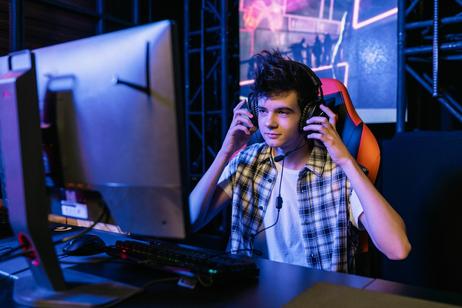
For decades, student-athletes have pursued opportunities in traditional sports through school-based programs. Today, a growing number of students are finding similar pathways through esports. Competitive gaming has evolved from a niche hobby into a global industry worth billions of dollars, creating career opportunities that extend far beyond professional gameplay.

As esports continues to gain legitimacy in education and collegiate athletics, private schools are increasingly developing programs designed to support students interested in gaming, technology, broadcasting, game design, and esports management. These programs combine competitive opportunities with academic preparation, helping students build skills that can translate into a variety of career paths.

Much like the educational philosophy discussed in Athletics Are Not Optional, many schools view esports as another avenue for developing teamwork, leadership, strategic thinking, and communication skills.

Why Esports Is Becoming Part of Private School Education

The esports industry has grown dramatically over the past decade. According to the National Association of Esports Coaches and Directors, competitive gaming programs are now present in thousands of educational institutions across the United States.

Private schools are responding to this growth by creating structured esports programs that emphasize both competition and education. Rather than viewing gaming solely as recreation, many schools recognize its connection to technology, digital media, business, and STEM learning.

Students involved in esports often develop skills including:

  • Team collaboration
  • Strategic planning
  • Communication
  • Data analysis
  • Leadership
  • Problem-solving
  • Digital literacy
  • Time management

These competencies align closely with many of the broader educational goals found in independent schools.

What Private School Esports
. . .read more

Special Education in Private Schools: 2026 Guide

Updated
|
Special Education in Private Schools: 2026 Guide
Explore how special education in private schools works, including services, costs, legal rights, and how to choose the right program.

Special education in private schools has evolved significantly in recent years. As families seek more personalized learning environments, many private institutions have expanded their ability to support students with diverse learning needs. However, the landscape remains complex, particularly when compared to public school obligations under federal law.

This updated guide explains how special education in private schools works in 2026, what services are available, and how parents can make informed decisions.

Understanding Special Education in Private Schools

Special education in private schools differs fundamentally from public school services. Public schools are legally required under the Individuals with Disabilities Education Act (IDEA) to provide a Free Appropriate Public Education (FAPE) to eligible students. Private schools, by contrast, are not bound by the same requirements.

That does not mean private schools do not offer support. Many do, but the scope, depth, and cost of services vary widely.

Parents exploring options should begin with a clear understanding of how private schools approach:

  • Learning differences such as dyslexia, ADHD, and autism spectrum disorder
  • Mild versus moderate to severe disabilities
  • Academic accommodations versus therapeutic interventions

For a broader overview of how private schools operate, see The Pros and Cons of Private School.

Legal Framework: What Private Schools Are Required to Do

Private schools are subject to different legal obligations than public institutions.

Federal Law Overview

Under IDEA, public school districts must identify and serve students with disabilities. Private schools are not required to provide the same level of individualized services.

However, public

. . .read more

Inclusive Education in Private Schools 2026: Neurodiversity & Special Needs Support

Updated
|
Inclusive Education in Private Schools 2026: Neurodiversity & Special Needs Support
Explore how private schools support inclusive education, neurodiversity, and special needs in 2026—with trends, policies, and practical models for parents and educators.

Inclusive Education in Private Schools: Supporting Neurodiversity & Special Needs in 2026

As inclusive education continues to expand globally, private schools are redefining how they support students with neurodiverse profiles and special needs. In 2026, inclusion in private schooling isn’t just a buzzword—it’s a practical, evolving framework that reflects both legal obligations and best practices for reaching diverse learners. This guide helps families, educators, and policymakers understand what inclusion means in private settings and what progress is underway this year.

What Is Inclusive Education?

Inclusive education is an approach that supports all learners, regardless of ability, in environments where they can learn together and participate fully. Rather than segregating students by disability, inclusion emphasizes adapting classrooms, curriculum, and supports so students with varying needs thrive side by side. This aligns with global definitions of inclusive education that prioritize equitable participation, meaningful engagement, and removal of barriers to learning.

In many education systems, inclusion is grounded in legal frameworks that protect the rights of students with disabilities. For example, in the United States, statutes like the Individuals with Disabilities Education Act (IDEA) and Section 504 of the Rehabilitation Act ensure students receive support tailored to their individual needs.

Why It Matters Now (2026)

  • More families and educators embrace neurodiversity as a strength-based perspective, recognizing conditions like autism, ADHD, dyslexia, and related learning differences as variations in human cognition rather than deficits.

  • Schools

. . .read more

Private School Curriculum in 2025: What’s Being Taught?

Updated
|
Private School Curriculum in 2025: What’s Being Taught?
Explore 2025 private school academic programs, including AP, IB, STEM, and evolving graduation standards. A guide for parents and students.

What’s Being Taught? Academic Programs in Private Schools (2025 Update)

Private schools in the United States continue to distinguish themselves through rigorous academic offerings, small class sizes, and innovative programs designed to prepare students for success in college and beyond. As we enter 2025, understanding what is actually being taught in private schools is more important than ever for parents weighing educational options.

Because private schools operate independently, they are not bound by state-mandated curricula in the same way public schools are. While most meet or exceed state graduation requirements, many go further by emphasizing advanced coursework, interdisciplinary study, global perspectives, and experiential learning.

Let’s take a closer look at the academic frameworks shaping private education in 2025.

Graduation Requirements and State Benchmarks

Private schools typically align their coursework with state requirements but often exceed them. For instance, the Minnesota Department of Education requires 21.5 course credits, including four in language arts, three in math, and three in science. Many private schools surpass these minimums—offering four or more years of mathematics and science, mandatory foreign language study, and extensive arts programming.

Across the U.S., state graduation requirements have remained relatively stable, but private schools are increasingly integrating STEM, digital literacy, and global citizenship courses into their core offerings. According to the U.S. Department of Education’s 2023 report on curriculum innovation, more than 70% of independent schools now require at least one coding, data science, or technology design course before

. . .read more

Recent Articles

How Private Schools Are Preventing Student Burnout
Discover how private schools are addressing student burnout through wellness programs, balanced academics, and expanded mental health support.
How Private Schools Evaluate “Soft Skills” Like Leadership and Grit
Learn how private schools assess leadership, grit, resilience, and character, and why these soft skills are becoming increasingly important in admissions.
How Private Schools Handle Cell Phones: Why Phone-Free Campuses Are Growing
Discover how private schools manage cell phones, why phone-free campuses are growing, and how reduced social media access can benefit students.

Programs for Exceptional Learners

SPECIAL EDUCATION
This subcategory explores various aspects of special education in private schools, including types of programs, teaching methods, and support services for students with learning differences or disabilities.
GIFTED PROGRAMS
This section covers programs and approaches designed for academically advanced or gifted students, including accelerated learning opportunities and specialized curricula.