Timeless School Insights

Explore historical articles offering valuable perspectives from the past, providing context and understanding for the evolution of private education.

View the most popular articles in Timeless School Insights:

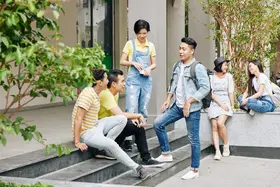
How Private Schools Are Preventing Student Burnout

Updated
|
How Private Schools Are Preventing Student Burnout
Discover how private schools are addressing student burnout through wellness programs, balanced academics, and expanded mental health support.

For many families, private school is attractive because it offers academic rigor, smaller classes, strong faculty relationships, and extensive enrichment opportunities. These strengths can help students thrive, but they can also create pressure in highly competitive school environments. As expectations rise, many private schools are paying closer attention to student burnout and how to prevent it.

Student burnout is more than ordinary stress before a test or a busy week of assignments. It can include emotional exhaustion, reduced motivation, disengagement from learning, sleep problems, anxiety, and a sense that achievement is never enough. In high-achieving environments, students may feel pressure to earn top grades, build strong college applications, lead clubs, play sports, and maintain an active social life all at once.

Private schools are responding by rethinking how rigor and well-being can work together. The goal is not to make academics easier. Instead, schools are building systems that help students pursue excellence sustainably.

Understanding Student Burnout in Private Schools

Student burnout often develops gradually. A student who once enjoyed learning may begin completing work mechanically. Another student may continue earning strong grades while becoming anxious, exhausted, or withdrawn. Because many high-achieving students are skilled at meeting expectations, adults may not immediately recognize when they are struggling.

The Centers for Disease Control and Prevention has emphasized the importance of strong relationships and school connectedness in supporting adolescent mental health. For private schools, this reinforces one of their traditional strengths: the ability to know students well.

Smaller
. . .read more

How Private Schools Handle Cell Phones: Why Phone-Free Campuses Are Growing

Updated
|
How Private Schools Handle Cell Phones: Why Phone-Free Campuses Are Growing
Discover how private schools manage cell phones, why phone-free campuses are growing, and how reduced social media access can benefit students.

For years, private schools have wrestled with a difficult question: How do educators prepare students for a digital world without allowing technology to dominate the school experience?

Increasingly, many schools believe the answer is not more screen time, but less.

Across the country, private schools are adopting stricter cell phone policies that limit or eliminate smartphone use during the school day. While academic focus remains a major motivation, a growing number of parents are attracted to something even more compelling: the opportunity for their children to disconnect from social media and reconnect with real-world relationships.

This shift reflects broader concerns about adolescent mental health, attention spans, online pressures, and the role schools play in shaping healthy habits.

Private schools have long differentiated themselves through small classes, individualized instruction, and strong communities. Today, many are adding another benefit to that list: creating environments where students spend less time scrolling and more time engaging with classmates, teachers, and activities.

Why Cell Phone Policies Have Become a Major Issue

The average teenager now carries a device that provides instant access to social media platforms, streaming services, messaging apps, gaming networks, and artificial intelligence tools.

While technology offers tremendous educational benefits, educators increasingly report challenges associated with unrestricted phone use, including:

  • Reduced classroom attention
  • Increased anxiety and social comparison
  • Cyberbullying
  • Academic dishonesty
  • Sleep disruption
  • Difficulty maintaining focus
  • Reduced face-to-face interaction

These concerns have prompted schools nationwide to reconsider the role smartphones should play during the school day.

Many private schools view phone restrictions as part of a broader

. . .read more

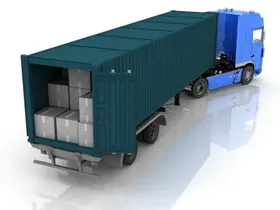
Private School Transportation Options: A 2026 Parent Guide

Updated
|
Private School Transportation Options: A 2026 Parent Guide
Explore private school transportation options in 2026, including buses, carpools, transit, and safety considerations for families.

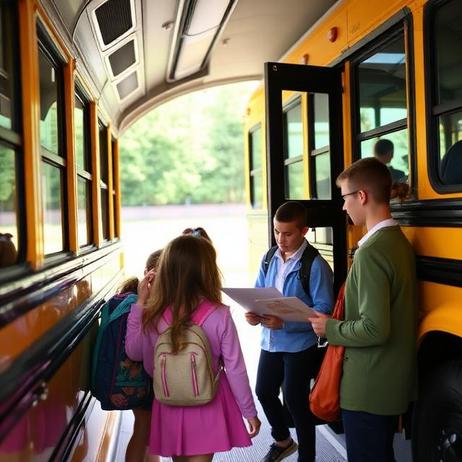
For many families, choosing a private school involves more than academics, culture, and tuition. Transportation can be one of the most important practical considerations, particularly when a school draws students from multiple communities rather than a single attendance zone.

Private school transportation options have evolved significantly in recent years. Rising transportation costs, ongoing driver shortages, advances in route-planning technology, and growing parent demand for flexibility have prompted schools to rethink how students get to and from campus. In 2026, families evaluating private schools should understand the full range of transportation solutions available and how those options may affect daily schedules, costs, and convenience.

As you compare schools, transportation should be part of your overall evaluation process, alongside academics, school culture, and extracurricular offerings. Articles such as Choosing a Private School and What to Research Before Choosing a Private School provide additional guidance on assessing a school's overall fit for your family.

Why Transportation Matters More Than Ever

Unlike public schools, most private schools do not have geographically assigned attendance boundaries. Students often travel across cities, counties, and even state lines to attend a school that matches their educational needs.

That broader enrollment footprint creates unique transportation challenges:

  • Longer commute distances
  • Increased traffic congestion around campuses
  • Greater demand for organized transportation services
  • Scheduling complications for working parents
  • Higher transportation operating costs

At the same time, many schools recognize that transportation availability can directly affect enrollment. Families may love a school's academic program but ultimately choose a

. . .read more

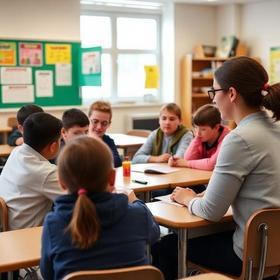
How Private Schools Support Student Entrepreneurship

Updated
|
How Private Schools Support Student Entrepreneurship
Learn how private schools are building student-led startups and entrepreneurship programs through mentorship, innovation labs, and business education.

Entrepreneurship education has evolved far beyond traditional business electives. In 2026, many private schools are actively creating environments where students launch startups, develop business plans, pitch investors, and solve real-world problems before graduating from high school.

From student-run companies to innovation incubators and entrepreneurship labs, private schools are increasingly integrating business leadership into their academic culture. These programs are designed not only to teach financial literacy, but also to develop creativity, collaboration, communication, and resilience.

As colleges and employers place greater emphasis on initiative and problem-solving, entrepreneurship programs have become a growing point of distinction among independent schools. Families researching private education are paying closer attention to how schools prepare students for a rapidly changing economy shaped by technology, artificial intelligence, and innovation.

Why Entrepreneurship Programs Are Growing in Private Schools

Private schools often have greater flexibility than public schools when designing curriculum and experiential learning opportunities. This flexibility allows many schools to move quickly when introducing entrepreneurship programs tied to emerging industries and workforce trends.

Several factors are driving this growth:

  • Increased interest in STEM and innovation education
  • Expansion of AI and digital business opportunities
  • Rising demand for experiential learning
  • Greater emphasis on leadership and problem-solving skills
  • Strong alumni and business community networks

Many schools also recognize that entrepreneurship education benefits students regardless of whether they eventually start a business. Skills such as critical thinking, collaboration, public speaking, and adaptability translate into nearly every profession.

The growing popularity of entrepreneurship-focused learning reflects broader changes in education. Families exploring modern academic models

. . .read more

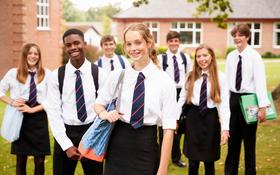
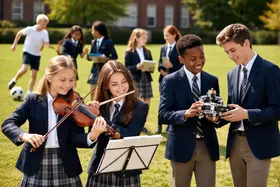
Private School Dress Codes: 2026 Guide for Families

Updated
|
Private School Dress Codes: 2026 Guide for Families
Learn how private school dress codes work in 2026, including benefits, costs, flexibility, and what parents should expect.

Private school dress codes remain one of the most recognizable features of independent education. For many families, the idea of uniforms or strict attire policies is both appealing and, at times, uncertain. In 2026, private school dress codes continue to evolve, balancing tradition with modern expectations around comfort, inclusivity, and student expression.

This guide offers a comprehensive look at private school dress codes, including why they exist, how they differ, what they cost, and how they are changing today.

What Are Private School Dress Codes?

Private school dress codes define what students are expected to wear during the school day. These policies range from formal uniforms to more relaxed guidelines known as “dress standards.”

The three most common models include:

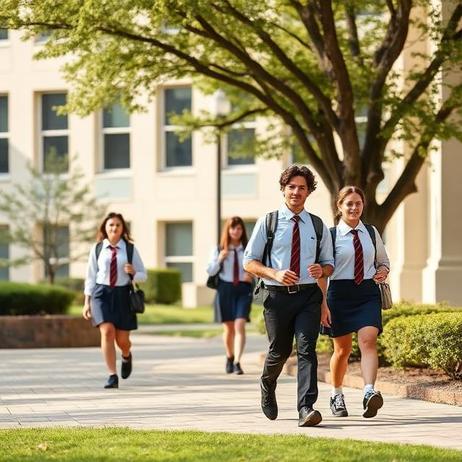
  • Traditional uniforms: Blazers, ties, skirts, and slacks in school colors
  • Standardized dress codes: Polo shirts, khakis, and approved footwear
  • Flexible dress guidelines: Clear rules without requiring specific branded clothing

While policies vary widely, most private schools aim to create a consistent and distraction-free learning environment.

For a broader overview of private education environments, see The Pros and Cons of Private Schools.

Why Do Private Schools Require Dress Codes?

Private school dress codes are rooted in both philosophy and practicality. Schools often cite several key reasons for implementing them.

1. Promoting Academic Focus

Uniforms reduce distractions related to fashion trends, allowing students to focus more on academics. Research from the National Center for Education Statistics indicates that schools with dress policies often report improved classroom behavior

. . .read more

Recent Articles

How Private Schools Are Preventing Student Burnout
Discover how private schools are addressing student burnout through wellness programs, balanced academics, and expanded mental health support.
How Private Schools Evaluate “Soft Skills” Like Leadership and Grit
Learn how private schools assess leadership, grit, resilience, and character, and why these soft skills are becoming increasingly important in admissions.
How Private Schools Handle Cell Phones: Why Phone-Free Campuses Are Growing
Discover how private schools manage cell phones, why phone-free campuses are growing, and how reduced social media access can benefit students.