Introduction
Starting a private school has always been both ambitious and rewarding. In 2025, the path is clearer than ever—but it is also more complex, shaped by state regulations, rising tuition, community needs, and growing expectations for technology and inclusivity. For educators, entrepreneurs, or mission-driven leaders, starting a private school requires vision, meticulous planning, and a strong understanding of today’s educational landscape.
This guide offers a step-by-step look at how to start a private school in 2025, with insights into legal structures, accreditation, funding, tuition, staffing, and sustainability.
1. Clarify Your Mission and Model
The very first step in starting a private school is defining your mission. Are you launching a Montessori-inspired early childhood center, a college-preparatory high school, or a faith-based academy? A well-defined mission not only guides your curriculum and culture but also attracts families aligned with your vision.
Your educational model—whether traditional, project-based, or a micro-school approach—should be clear from the beginning. Schools that thrive are those that can articulate not just what they teach, but why they exist.
2. Legal Structure and Regulation
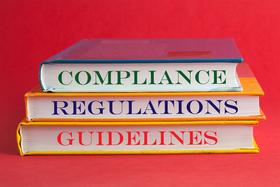
Starting a private school in the U.S. requires compliance with state—not federal—law. The U.S. Department of Education provides a useful overview of state regulations for private and home schools.
Key decisions include whether your school will operate as a nonprofit 501(c)(3), a for-profit corporation, or a limited liability company. Nonprofits benefit from tax-exempt status and eligibility for grants, while for-profit schools may allow greater flexibility but face different financial