Summer vacation offers children a valuable opportunity to rest, explore new interests, and spend more time with family. Yet for many students, the long academic break also leads to measurable learning setbacks. Educators often refer to this decline as “summer learning loss” or the “summer slide.”
In 2026, concerns about academic regression remain significant, especially as schools continue addressing post-pandemic achievement gaps, rising digital distractions, and uneven student engagement outside the classroom. Research consistently shows that students can lose academic ground during extended breaks, particularly in reading comprehension and math fluency.
The difference is that some families approach summer strategically. High-performing families are not necessarily turning summer into full-time school. Instead, they build routines, experiences, and learning habits that keep children intellectually active without sacrificing downtime.
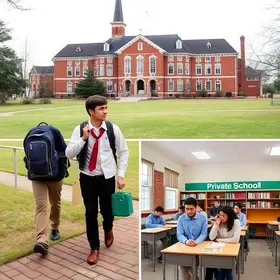
For parents considering private school pathways, these strategies are particularly relevant. Many private schools emphasize continuous intellectual engagement, curiosity-driven learning, and enrichment beyond the classroom. Families who successfully prevent summer learning loss often mirror those same values at home.
Why Summer Learning Loss Still Matters in 2026
The concept of summer learning loss is not new, but current educational trends have renewed attention on the issue. According to research from the RAND Corporation, students can experience significant declines in academic performance during long summer breaks, particularly in math skills.
The challenge is especially pronounced for younger students because foundational reading and numeracy skills depend heavily on consistent practice.
Meanwhile, many private schools and enrichment programs are adapting by offering expanded summer academies,